How I Tamed My Spending and Found My Investment Groove
I used to blow through cash without a second thought—lunch out, impulse buys, subscriptions I forgot about. Then reality hit: my bank account was empty, and my stress levels were through the roof. I knew I had to change. What I discovered wasn’t just about cutting costs—it was a total mindset shift. Turns out, controlling expenses isn’t about deprivation; it’s the foundation for smarter investing and real financial freedom. This is how I turned things around, one honest choice at a time.
The Wake-Up Call: When My Wallet Started Talking Back
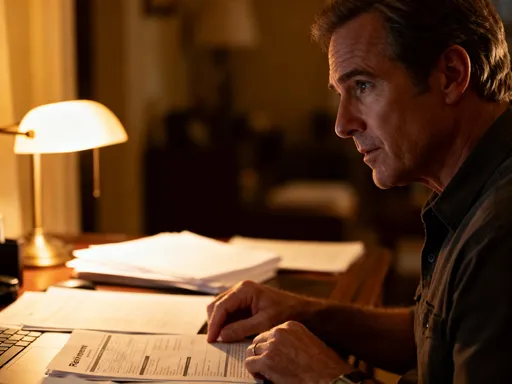
It wasn’t a single purchase that derailed me—it was the accumulation of small, invisible decisions. One morning, I opened my banking app and saw a red negative balance staring back at me. My heart dropped. I had just been paid, yet within days, the money was gone. There were no luxury splurges, no vacations, no major purchases. Instead, it was the $12 lunches, the forgotten monthly subscriptions, the coffee stops, the online shopping sprees that felt harmless in the moment. The truth was, I wasn’t living beyond my means in one dramatic way—I was doing it a hundred tiny ways every month. The anxiety began to build: constant checking of my balance, dreading the next bill, feeling trapped despite working full time. I realized I wasn’t just losing money—I was losing control. That moment of clarity changed everything. I began to understand that financial freedom doesn’t start with earning more. It starts with seeing clearly. When I finally reviewed six months of bank statements, the pattern was undeniable: over $400 a month disappeared into recurring but unnecessary expenses. That was nearly $5,000 a year—enough to fund a solid emergency reserve or seed a retirement account. The wake-up call wasn’t about guilt; it was about awareness. I wasn’t bad with money. I was just unobservant. And that was something I could fix.
Reframing Expense Control: From Pain to Power
For years, I associated budgeting with restriction, scarcity, and even failure. The idea of tracking every dollar felt exhausting, like being on a financial diet with no end in sight. But the shift began when I stopped thinking of expense control as a punishment and started seeing it as preparation. Every dollar I didn’t spend on something I didn’t truly need became a dollar available for something that mattered—a future goal, a sense of security, or long-term growth. I began to think of my spending habits like water in a bucket. If the bucket has holes, no matter how much water you pour in, it will never fill. My daily coffee, subscription services, and impulse purchases were the leaks. Fixing them wasn’t about denying myself joy—it was about making sure the bucket could actually hold water. Once I patched the leaks, I could see progress. That sense of momentum was empowering. I wasn’t just saving money; I was building capacity. And that capacity became the bridge to investing. The real power of expense control lies in its multiplier effect. Saving $300 a month doesn’t just mean $3,600 a year in the bank. It means $300 every month that can be invested, compounding over time. At a conservative 6% annual return, that same $300 monthly contribution grows to over $100,000 in 20 years. Suddenly, skipping one takeout meal a week wasn’t a sacrifice—it was an investment in a future where I had choices. The mindset shift was profound: disciplined spending wasn’t the opposite of wealth. It was the quiet, steady engine that made wealth possible.
The Real Budget Hack: Tracking Without Obsession
I tried the traditional budgeting methods—spreadsheets, handwritten logs, rigid categories—but they didn’t last. They felt too rigid, too time-consuming, and frankly, too stressful. The problem wasn’t the goal; it was the method. I needed something sustainable, not perfect. What worked was a hybrid system: automated tracking with intentional reflection. I linked my bank accounts to a secure personal finance app that categorized transactions automatically. This gave me a real-time view of where my money was going without lifting a finger. But automation alone wasn’t enough. I added a simple ritual: every Sunday evening, I spent 10 minutes reviewing the past week’s spending. No judgment, no guilt—just observation. I looked for patterns. Were there recurring charges I didn’t recognize? Did dining out spike during busy workweeks? Was I using a particular credit card more than others? This weekly check-in kept me aware without overwhelming me. One surprising insight: small purchases under $20 added up to more than my largest monthly bills. A $5 mobile game purchase, a $12 app subscription, a $15 delivery fee—they felt insignificant in the moment, but collectively, they drained hundreds each month. By simply pausing before small digital transactions, I reclaimed control. The key wasn’t tracking every penny—it was catching the trends. I also learned to categorize expenses in a way that reflected my values. Instead of “Entertainment,” I used “Joy Spending.” Instead of “Miscellaneous,” I asked, “Was this necessary or impulsive?” Language shaped mindset. Over time, tracking became less about restriction and more about intention. I wasn’t policing myself—I was guiding myself. And that made all the difference.
From Savings to Strategy: Making Money Work for You
For years, I thought saving was the end goal. I’d stash money in a savings account and feel accomplished. But I eventually realized that saving is only the first step. The real transformation happens when saved money becomes working money. Once I had a clear picture of my spending and started building a consistent surplus, I made a deliberate shift: every dollar saved would have a job. Some went into a high-yield savings account for emergencies. The rest was directed into long-term investments. I started small—just $100 a month into a low-cost index fund that tracks the broader market. I chose this approach because it was simple, diversified, and historically reliable. I didn’t need to pick stocks or time the market. I just needed to stay consistent. The psychology behind this shift was crucial. Instead of seeing investing as something for the wealthy or financially savvy, I began to see it as a natural extension of responsible spending. Every time I skipped an unnecessary purchase, I wasn’t just saving money—I was funding my future self. I started referring to my investment account as “The Freedom Fund.” That small reframe changed how I felt about delaying gratification. It wasn’t about missing out—it was about building something bigger. I also learned the importance of asset allocation, even on a modest scale. I divided my investments between stocks for growth and bonds for stability, adjusting the balance based on my timeline and comfort level. As my confidence grew, so did my contributions. The power of compound growth became visible over time. Even with modest returns, the combination of regular contributions and time created momentum. I wasn’t chasing get-rich-quick schemes. I was building a foundation. And that foundation was made possible by the discipline I first developed in controlling my expenses.
Risk Control: Protecting What You Build
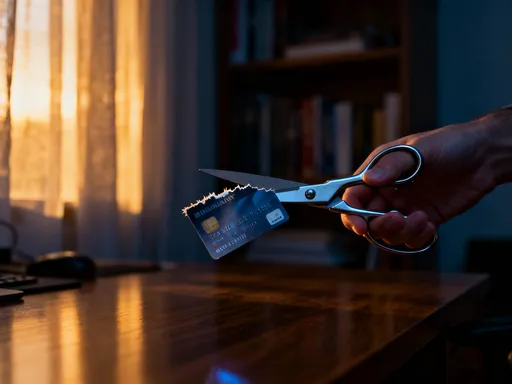
One of the most overlooked aspects of personal finance is how spending habits directly affect risk exposure. When you live paycheck to paycheck or spend beyond your means, you have no margin for error. A car repair, a medical bill, or a job loss can force desperate decisions—like pulling money from retirement accounts, taking on high-interest debt, or making impulsive investment choices in hopes of a quick fix. I learned this the hard way when an unexpected expense forced me to use a credit card with a 24% interest rate. The debt snowballed, and I found myself making riskier financial moves just to keep up. That experience taught me that true financial security isn’t just about growing wealth—it’s about protecting it. Disciplined spending creates the space to build buffers. An emergency fund, ideally three to six months of living expenses, acts as a financial shock absorber. It allows you to handle surprises without derailing your long-term goals. I started building mine slowly—$50 at a time—until I reached a level that gave me peace of mind. That fund didn’t earn high returns, but its value wasn’t in growth—it was in stability. It gave me the freedom to make calm, rational decisions instead of panicked ones. Similarly, I began to appreciate the role of insurance—health, auto, renters, and life—as essential risk management tools, not optional expenses. These protections ensure that a single event doesn’t wipe out years of progress. I also applied the principle of diversification to my investments. Instead of putting everything into one stock or sector, I spread my money across different asset classes. This didn’t eliminate risk, but it reduced the impact of any single loss. Risk control, I realized, wasn’t about avoiding all danger—it was about building resilience. And that resilience starts with spending less than you earn.
The Ripple Effect: How Small Choices Shape Big Outcomes
The benefits of controlling my spending extended far beyond my bank account. I began to notice changes in my daily life—better sleep, less anxiety, clearer thinking. Money had been a constant source of background stress, and as I gained control, that weight lifted. I stopped dreading bill season. I started having more honest conversations with my family about money, setting shared goals, and making decisions together. My relationship with time changed, too. Instead of working extra hours just to cover expenses, I could focus on work that mattered or spend time on hobbies and relationships. The mental clarity was surprising. With fewer financial distractions, I made better decisions in other areas—eating healthier, exercising more, planning for the future with confidence. I also became more intentional about consumption. I started asking myself, “Do I need this?” or “Will this add real value to my life?” before making purchases. This mindfulness spilled over into other habits. I became more aware of my time, energy, and commitments. The discipline I built around money became a model for other areas of self-improvement. Perhaps the most profound change was in my sense of agency. I no longer felt like money controlled me. I was in charge. That confidence showed up in subtle ways—speaking up in financial discussions, negotiating better rates, planning for big purchases without fear. I wasn’t rich, but I was secure. And security, I learned, is its own form of wealth. The ripple effect proved that financial health isn’t isolated. It’s connected to emotional well-being, relationships, and overall life satisfaction. When you fix your relationship with money, you often improve your relationship with everything else.
Building a Sustainable Money Mindset
Looking back, the journey wasn’t about a single breakthrough or a magic solution. It was about consistent, intentional choices that added up over time. I no longer see financial health as a destination—it’s a practice, like staying physically healthy or maintaining strong relationships. Expense control isn’t a temporary fix I applied and then abandoned. It’s become part of how I live. I’ve learned to distinguish between cost and value, between spending and investing, between impulse and intention. My relationship with money has evolved from reactive to proactive, from fearful to respectful. I don’t obsess over every dollar, but I do honor the role money plays in my life. I see every financial decision as a vote for the kind of future I want. Skipping a small luxury today isn’t deprivation—it’s an investment in peace of mind tomorrow. Delaying a purchase isn’t weakness—it’s strength. The habits I built around spending naturally led to smarter investing, better risk management, and greater overall confidence. I’ve learned that lasting wealth isn’t created by sudden windfalls or high-risk bets. It’s built quietly, steadily, through choices that align with long-term values. The foundation of it all is simple: spend less than you earn, protect what you have, and let your money work for you over time. You don’t need a high income to start. You just need clarity, consistency, and the belief that small steps matter. Financial freedom isn’t about having endless options. It’s about having the right ones. And that begins with mastering your spending, one thoughtful decision at a time.