How I Turned Study Tours into Smart Investments — Without the Stress
You’re not alone if you’ve ever looked at your child’s study tour bill and felt a knot in your stomach. These educational trips can be life-changing—but they’re also expensive. What if I told you there’s a way to treat them not just as costs, but as stepping stones to smarter financial habits? I did just that, turning a major expense into a structured learning experience—for both my kid and my wallet. By shifting my mindset from fear to strategy, I discovered how a single invoice could spark lasting financial discipline, reduce stress, and even grow value over time. This is not about cutting corners or chasing risky returns. It’s about using predictable life events to build a smarter, more resilient financial future—one study tour at a time.
The Hidden Cost of Education That No One Talks About
Study tours are often celebrated as transformative experiences. They promise cultural immersion, language exposure, and global awareness. Schools present them as essential parts of modern education, and parents want the best for their children. But beneath the glossy brochures and enthusiastic presentations lies a financial reality many families are unprepared for: these trips are expensive, often ranging from $2,000 to $5,000 or more, and they arrive with little warning. Unlike tuition, which is predictable and paid in installments, study tour fees are one-time, lump-sum expenses that can disrupt even well-managed household budgets.
What makes these costs particularly challenging is their emotional weight. Saying no to a study tour can feel like denying your child an opportunity to grow, travel, and connect with peers. This emotional pressure often leads families to make hasty financial decisions—charging the cost to a credit card, withdrawing from emergency savings, or borrowing from retirement accounts. These actions may solve the immediate problem but can create long-term consequences. Inflation erodes the value of saved money, and debt compounds quickly, especially when interest rates are high. The result? A single educational experience can unintentionally set back a family’s financial progress by years.
Yet few schools or financial advisors discuss how to plan for these expenses. There’s no standard curriculum for parents on managing irregular, high-cost educational events. This silence creates a gap—one that leaves families reacting instead of preparing. But what if we treated these moments not as emergencies, but as milestones? What if every study tour invitation was seen not as a bill, but as a signal to begin a structured financial journey? That shift in perspective is where real change begins. Recognizing that these expenses are predictable, even if not annual, allows families to anticipate them and build systems that turn stress into strategy.
From Expense to Opportunity: Rethinking the Purpose of Study Tours
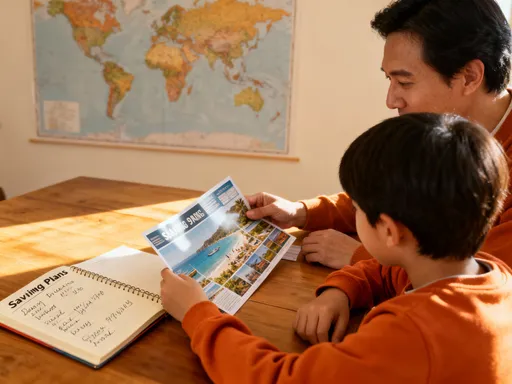
When my daughter came home with the flyer for her school’s Japan study tour, my first reaction was anxiety. The price tag—$3,200—felt overwhelming. I saw it as a withdrawal, a hole in our budget that would take months to refill. But after speaking with a financial planner, I began to question that assumption. What if this wasn’t just an expense, but an opportunity? What if this trip could become the catalyst for better money habits, not just for me, but for my entire family?
This mental shift—from cost to catalyst—was transformative. Instead of dreading the payment, I started viewing it as a goal. That change in mindset altered everything. I stopped seeing the tour as a financial threat and began treating it as a project with a deadline. This is a powerful psychological tool: when we assign purpose to money, we gain control over it. The same amount of money can feel like a burden or a challenge, depending on how we frame it. By reframing the study tour as a financial milestone, I gave myself permission to plan, save, and even invest with intention.
This approach also opened the door to deeper conversations with my daughter. We began discussing what the trip meant to her, how it fit into her education, and what trade-offs we might need to make as a family. She started to understand that meaningful experiences require preparation and sacrifice. More importantly, she began to see money not as something that magically appears, but as a resource that must be managed. This dual benefit—enriching the student academically and the parent financially—is often overlooked. Study tours don’t just broaden a child’s worldview; they can also strengthen a family’s financial literacy when approached with the right mindset.
Building Your Investment Framework Around Educational Milestones
Life is full of milestones—first steps, birthdays, graduations, and yes, study tours. Each of these events comes with its own set of expectations and expenses. Rather than reacting to them as they arise, families can build a proactive investment framework that aligns with their child’s academic timeline. This is not about complex financial engineering; it’s about simple, consistent planning based on known future events.
The first step is mapping out the predictable educational milestones your child will encounter. For example, many schools offer domestic trips in middle school and international tours in high school. If your child is in sixth grade, you likely have three to five years before a major trip is announced. That timeline is valuable. It gives you time to set a savings target, choose appropriate investment vehicles, and create a disciplined contribution plan. A $3,000 trip five years away requires only about $50 per month in a low-risk account earning modest returns—far less daunting than a lump-sum payment.
The key is to treat these goals like any other financial objective. Just as people save for a home down payment or retirement, they can save for educational travel. Tools like systematic investment plans (SIPs) allow families to contribute small, regular amounts into diversified portfolios. These portfolios can be adjusted based on time horizon—more aggressive when the goal is distant, more conservative as the date approaches. The discipline of regular contributions builds financial muscle over time, making large expenses feel manageable rather than overwhelming.
This milestone-based model also reduces emotional decision-making. When a trip is announced, there’s no panic, no last-minute scrambling. The plan is already in place. This sense of control is invaluable, especially for parents who have historically felt powerless in the face of unexpected costs. By anchoring investments to real-life events, families create a financial rhythm that supports both education and long-term stability.
Earning While You Prepare: Small Moves That Multiply Over Time
Saving is important, but saving alone isn’t enough. Inflation means that money stored in a regular savings account loses purchasing power over time. To truly stay ahead, families need strategies that allow their money to grow while they prepare. The good news is that you don’t need a large portfolio or advanced knowledge to benefit from growth. Small, consistent actions—when applied early—can generate significant results.
One of the most effective tools is compound growth. By investing early, even modest monthly contributions can grow substantially over several years. For example, investing $100 per month at a conservative annual return of 5% over five years yields over $6,800—more than enough to cover a typical study tour. The earlier you start, the more time your money has to work for you. This is why timing matters more than size when it comes to goal-based investing.
Another strategy is reinvesting dividends. Many low-cost index funds and ETFs pay dividends—small distributions of company profits. Instead of taking that money as cash, families can choose to reinvest it, buying more shares automatically. Over time, this creates a snowball effect: more shares generate more dividends, which buy even more shares. It’s a quiet, behind-the-scenes process that builds wealth without requiring constant attention.
Additionally, families can explore underutilized household assets to generate supplemental income. Renting out a spare room, selling unused items, or monetizing a skill like tutoring or crafting can provide extra cash flow. When directed toward a specific goal like a study tour, these earnings feel more meaningful. They become part of a larger mission, not just random income. The combination of disciplined saving, smart investing, and strategic earning creates a powerful trifecta that turns preparation into progress.
Risk Control: Protecting Your Family’s Financial Journey
Any discussion about investing must include risk management. When the goal is your child’s education, protecting capital is just as important as growing it. The objective isn’t to maximize returns at all costs, but to ensure that the money will be there when needed. This requires a balanced approach—one that acknowledges market volatility but doesn’t overreact to it.
Diversification is the foundation of risk control. Putting all your money into a single stock or sector increases exposure to loss. A better approach is to spread investments across different asset classes—stocks, bonds, and cash equivalents—based on your time horizon. For a goal five or more years away, a mix of equities and fixed income can offer growth with manageable risk. As the trip date nears, shifting toward safer instruments like bonds or high-yield savings accounts helps lock in gains and reduce volatility.
Equally important is the emotional discipline to stay the course. Markets will fluctuate. There will be downturns, headlines, and moments of doubt. I learned this the hard way during a market dip two years before my daughter’s trip. Seeing the account balance drop was unsettling. My instinct was to pull everything out and hide the money in a savings account. But I remembered my plan. I reviewed the timeline, reassessed the risk level, and stayed invested. Within months, the market recovered, and so did our portfolio. That experience taught me that discipline beats emotion every time.
Another layer of protection is an emergency buffer. Life is unpredictable. A car repair, medical bill, or job loss can derail even the best plans. That’s why it’s wise to keep essential living expenses separate from goal-based savings. Having a dedicated emergency fund ensures that a surprise doesn’t force you to liquidate investments at a loss. True financial security comes not from avoiding risk entirely, but from being prepared for it.
The Real Payoff: What You Gain Beyond the Money
The benefits of this structured approach extend far beyond the bank account. Yes, you save money and reduce stress. But more importantly, you build confidence, clarity, and family cohesion around financial decisions. When parents model intentional planning, children learn by example. They see that big goals are achievable with patience and consistency. They learn the value of delayed gratification and the power of compound growth—not from textbooks, but from real life.
In our household, we made the study tour fund a family project. We tracked progress on a simple chart, celebrated milestones, and discussed trade-offs. When my daughter wanted a new laptop, we talked about how that expense might affect the travel fund. She began to understand opportunity cost—the idea that choosing one thing means giving up another. These conversations were more valuable than any financial lesson I could have taught in isolation.
Peace of mind is another often-overlooked benefit. Knowing that a major expense is already planned for changes the emotional experience of parenting. You’re not constantly worried about the next bill. You’re not resentful of opportunities your child might miss. Instead, you feel empowered. You have a system. You have control. That sense of stability radiates through the home, creating a calmer, more confident environment for everyone.
Ultimately, this is about more than funding a trip. It’s about building a legacy of financial health. Children who grow up seeing money as a tool for achieving goals—not a source of fear or conflict—are better equipped to navigate adulthood. They’re more likely to save, invest, and make thoughtful decisions. The study tour becomes a starting point, not an endpoint, in a lifelong journey of financial wisdom.
A Smarter Way Forward: Making It Work for Your Family
Every family’s financial situation is different. Some have more flexibility; others are working with tight budgets. But the principles of planning, consistency, and long-term thinking apply to everyone. You don’t need a perfect portfolio or a high income to start. You just need a clear goal and the willingness to take small, regular steps toward it.
The best time to begin is now. If your child is still young, start tracking upcoming milestones. If a trip has already been announced, don’t panic. Break the total cost into manageable monthly amounts. Open a dedicated account. Set up automatic transfers. Every dollar saved is a step forward. The goal isn’t perfection—it’s progress.
Seek support when needed. Many financial institutions offer goal-based savings tools or free consultations. Nonprofit credit counseling agencies can also provide guidance on budgeting and saving strategies. The important thing is to take action, not wait for the ideal moment. Financial health is built over time, through repetition and resilience.
As you move forward, remember that true wealth isn’t measured only in dollars. It’s measured in freedom—the freedom to say yes to opportunities without fear, the freedom to make choices based on values rather than stress, the freedom to raise children who understand and respect money. By turning study tours from expenses into investments, you’re not just funding a trip. You’re building a future where financial confidence is a family tradition.