You Won't Believe How This Mountain Town Defies the Map
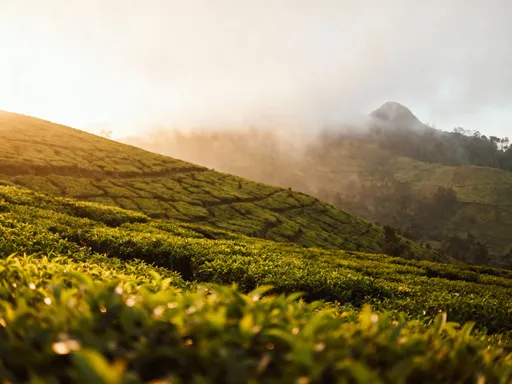
Nestled high in Sri Lanka’s misty highlands, Nuwara Eliya feels like a secret the earth kept to itself. At nearly 2,000 meters above sea level, this cool-climate escape isn’t just a break from the heat—it’s a total terrain surprise. Rolling green hills, sudden fog banks, and tea-strewn slopes create a landscape that shifts by the hour. If you think you know tropical destinations, think again—this place rewrites the rules. Far from the palm-fringed beaches and humid lowlands typical of the island, Nuwara Eliya emerges as an alpine anomaly in a tropical nation, where woolen sweaters are common and morning frost sometimes glistens on rooftops. It is a place shaped by elevation, climate, and human care, where nature and nurture blend into a destination that surprises, soothes, and inspires.
Why Nuwara Eliya Stands Out in Sri Lanka’s Geography
Sri Lanka is widely known for its sun-drenched coastlines, swaying coconut trees, and warm ocean breezes. Yet deep within its heart lies a region that defies these expectations—Nuwara Eliya, perched at an elevation of about 1,868 meters (6,128 feet) above sea level. This highland town exists within the Central Highlands, a mountainous spine formed millions of years ago through tectonic uplift and ancient geological shifts. Unlike the flat, tropical plains surrounding it, this area was pushed upward over time, creating a plateau where cooler temperatures and higher rainfall dominate. The result is a climate more reminiscent of northern Europe than South Asia, with average daytime temperatures ranging between 13°C and 18°C (55°F to 64°F), even during the warmest months.
The contrast between Nuwara Eliya and the rest of Sri Lanka is not merely visual—it’s atmospheric. While Colombo basks in coastal humidity, Nuwara Eliya experiences a crisp, moist air that supports lush vegetation and seasonal mists. This microclimate is sustained by its altitude and exposure to both the northeast and southwest monsoon systems, which drape the hills in rain and fog at different times of the year. The terrain itself is part of a UNESCO World Heritage-designated area due to its unique biodiversity and geological significance. The highlands were shaped by ancient rock formations, including charnockite and quartzite, which resist erosion and contribute to the region’s rugged topography.
Often referred to as “Little England,” Nuwara Eliya earned this nickname during the British colonial era when tea planters built cottages, golf courses, and rose gardens reminiscent of the English countryside. But beyond the colonial architecture, the name reflects something deeper—the way the landscape itself evokes a sense of temperate familiarity in an otherwise tropical country. This is not mimicry; it is adaptation. The British recognized that the cool, wet conditions were ideal for tea cultivation, but they did not create the climate—they responded to it. Today, visitors continue to be struck by the surreal feeling of stepping into a green, misty world that seems transplanted from another continent, yet is entirely natural to this elevated pocket of Sri Lanka.
The Tea Country Terrain: More Than Just Pretty Hills
As one ascends toward Nuwara Eliya, the hills become increasingly draped in orderly rows of emerald-green shrubs. These are tea plants—Camellia sinensis—and they cover nearly every available slope in a patchwork of cultivated precision. What appears from a distance as a serene natural landscape is, in fact, the product of over 150 years of agricultural engineering. The tea plantations of Nuwara Eliya are not wild growths but meticulously terraced farms, shaped by generations of labor and agronomic knowledge. Each curve of the hillside has been optimized for drainage, sun exposure, and ease of harvest, transforming steep gradients into productive, sustainable farmland.
Altitude plays a crucial role in the quality of Ceylon tea, and Nuwara Eliya is among the highest tea-growing regions in Sri Lanka. Teas grown above 1,200 meters are classified as “high-grown,” and those from Nuwara Eliya are especially prized for their bright color, brisk flavor, and delicate aroma. The slow growth cycle caused by cooler temperatures allows the tea leaves to develop complex chemical compounds, resulting in a cup that is both refined and invigorating. The terrain contributes directly to this excellence—rainwater drains quickly through the porous soil, preventing root rot, while the frequent mists provide consistent moisture without waterlogging.
Harvesting tea in this region remains a labor-intensive process, largely done by hand. The gentle inclines of many slopes make it possible for workers—often women known locally as “tea pluckers”—to move efficiently across the fields, selecting only the top two leaves and a bud from each plant. This selective picking ensures high quality but demands precision and endurance. Visitors can observe this process firsthand at working estates like Pedro Tea Estate or Mackwoods Labookellie, where guided tours reveal not only how tea is grown and processed but also how the terrain shapes every stage of production. The sight of workers moving rhythmically across the hills, baskets strapped to their backs, is a testament to the harmony between human effort and the natural contours of the land.
Navigating the Mist: Weather and Visibility Challenges
One of the most defining features of Nuwara Eliya’s terrain is its ever-changing weather. Mornings often begin with thick fog rolling in from the surrounding valleys, shrouding the hills in a silvery veil that can reduce visibility to just a few meters. This phenomenon, known locally as “cloud immersion,” occurs when warm, moist air rises and condenses at high elevations. While beautiful, it poses real challenges for travelers, especially those driving or hiking. Roads that appear clear on a map can become disorienting when enveloped in mist, and trail markers may vanish into the haze.
These conditions are most pronounced during the inter-monsoon periods—March to May and September to November—when humidity levels peak and sudden weather shifts are common. A sunny morning can give way to drizzle by noon, followed by a burst of sunshine in the afternoon. Visitors must be prepared for this variability. Layered clothing is essential: a light base layer, a warm mid-layer such as a fleece or sweater, and a waterproof outer shell can make the difference between comfort and discomfort. Umbrellas are useful, but a compact rain jacket with a hood offers better protection during sudden downpours.
For drivers, caution is paramount. The roads leading to and within Nuwara Eliya are winding and often narrow, with steep drop-offs on one side. In foggy conditions, even experienced drivers can lose their sense of direction. It is advisable to travel during daylight hours and avoid night driving unless absolutely necessary. Using headlights on low beam helps improve visibility without causing glare in the fog. For hikers, starting early allows time to complete trails before the afternoon clouds roll in. Local guides are invaluable in these conditions, as they know the terrain intimately and can navigate safely even when landmarks disappear. Understanding and respecting the weather is not just about convenience—it is a key part of experiencing the highlands safely and meaningfully.
Hiking Trails That Reveal the Region’s Bones
For those seeking a deeper connection with Nuwara Eliya’s terrain, hiking offers an immersive way to understand its geological and ecological layers. Two of the most accessible and rewarding destinations are the Hakgala Botanical Garden and the Horton Plains National Park, both located within a short drive from the town center. While Hakgala presents a more controlled environment with manicured paths and labeled flora, Horton Plains offers a wilder, more elemental experience—where the landscape speaks directly through wind-swept grasslands, ancient rock formations, and dense cloud forest.
The World’s End trail in Horton Plains is perhaps the most iconic route in the region. This 9-kilometer loop leads hikers across open patinas of dwarf bamboo and stunted trees, gradually ascending to a sheer cliff edge that drops nearly 880 meters—a dramatic reminder of the power of erosion and uplift. On clear mornings, the view stretches across the southern plains, but more often, the valley below is filled with a sea of clouds, giving the illusion of standing on the edge of the world. The trail itself traverses varying elevations, each supporting distinct plant communities. At higher altitudes, moisture-loving mosses and lichens cling to boulders, while lower sections host rare orchids and tree ferns that thrive in the perpetual damp.
Equally compelling is the trail to Baker’s Falls, a cascading waterfall fed by the Belihul Oya river. Unlike the dramatic drop of World’s End, this path winds through shaded forest, where the air is cool and the scent of wet earth prevails. The sound of rushing water grows louder with each step, building anticipation before the falls come into view—a 20-meter plunge into a clear pool surrounded by moss-covered rocks. These trails do more than offer scenic rewards; they allow visitors to feel the texture of the land underfoot, to hear the wind in the high grass, and to witness the slow, persistent work of nature shaping stone and soil. They are not merely walks in the woods—they are journeys into the living structure of the highlands.
Waterfalls and Valleys: The Power of Highland Hydrology
The abundance of rainfall in Nuwara Eliya—averaging over 2,000 millimeters annually—fuels a network of streams, rivers, and waterfalls that define the region’s hydrology. Among the most accessible is Ramboda Falls, located just off the A5 highway on the route from Kandy to Nuwara Eliya. Plunging approximately 109 meters, it is one of the tallest waterfalls in Sri Lanka and a striking example of how elevation and slope combine to create vertical water movement. The falls are fed by runoff from the surrounding hills, which channel rainwater into concentrated flows that carve deep gorges over time.
These water features are not static; they are active agents of change. The constant flow of water erodes soft rock layers, undercutting cliffs and widening valleys. In some areas, this process has created U-shaped valleys and stepped landscapes where water descends in a series of cascades. The result is a dynamic terrain that continues to evolve, shaped by the very rains that sustain its greenery. Visitors can observe this power up close at viewpoints along well-maintained paths, where safety railings and informative signage help frame the experience without compromising access.
Other notable falls include Devon Falls near Talawakele and St. Clair’s Falls, known as the “Little Niagara of Sri Lanka” for its wide, powerful flow. Each offers a different perspective on the relationship between water and land. Devon Falls drops in a single, slender column beside the highway, often partially obscured by mist, while St. Clair’s spans a broad front, sending spray into the air that catches the sunlight like fleeting rainbows. These sites are popular stops for tourists, but they also serve as reminders of nature’s quiet persistence—how something as gentle as rain, given time and slope, can reshape mountains.
Importantly, these waterfalls are not just scenic attractions—they are part of a larger watershed that supplies drinking water, irrigation, and hydroelectric power to communities across the island. Protecting their source areas means preserving the integrity of the highland forests and grasslands that absorb and regulate rainfall. Sustainable tourism practices, such as staying on designated paths and avoiding littering, help ensure that these natural systems remain undisturbed and functional for future generations.
Practical Tips for Experiencing the Terrain Safely
Exploring Nuwara Eliya’s varied landscape requires preparation and awareness. The terrain, while beautiful, can be unpredictable—paths become slippery after rain, fog can obscure trails, and temperatures drop sharply at night. Proper footwear is the first line of defense. Closed-toe hiking shoes or boots with good tread are essential, especially for trails like those in Horton Plains or Hakgala, where muddy sections and loose gravel are common. Sandals or flat-soled shoes are not recommended, as they offer little support on uneven ground and increase the risk of slips or sprains.
Transportation choices also matter. While Nuwara Eliya is connected to major cities by road, many side routes—particularly those leading to remote tea estates or trailheads—are unpaved and prone to potholes or washouts during heavy rains. Four-wheel-drive vehicles are advisable for off-main-road excursions, and hiring a local driver familiar with the conditions can enhance both safety and comfort. Public buses operate regularly between towns, but schedules may be less frequent in rural areas, so planning ahead is wise.
Pacing is another important consideration. The high altitude, while not extreme enough to cause acute mountain sickness in most people, can still affect stamina, especially during physical activity. Visitors are encouraged to take breaks, stay hydrated, and avoid overexertion, particularly on longer hikes. Carrying a small backpack with water, snacks, a light jacket, and a basic first-aid kit can make a significant difference in comfort and safety.
Perhaps most importantly, travelers should resist the temptation to wander off marked trails. While the lure of an unspoiled view or a quiet spot for photos is strong, straying from designated paths risks soil erosion, damage to fragile vegetation, and personal injury. In areas like Horton Plains, the ground may appear solid but can conceal soft, waterlogged soil beneath a thin layer of moss. Local guides, available through hotels or tour operators, provide not only navigation expertise but also cultural and ecological insights that enrich the experience. Their knowledge transforms a simple walk into a meaningful encounter with the land.
Why This Landscape Deserves Respect and Care
Nuwara Eliya’s beauty is not indestructible. Its delicate ecosystems—cloud forests, highland grasslands, tea-covered slopes—are vulnerable to the pressures of tourism, agriculture, and climate change. Increased foot traffic on popular trails leads to soil compaction and vegetation loss. Unregulated waste from visitors can pollute water sources and harm wildlife. Meanwhile, rising temperatures and shifting rainfall patterns threaten the very conditions that make this region unique. Studies indicate that Sri Lanka’s highlands are experiencing warmer nights and more erratic monsoon behavior, which could affect tea yields and alter natural habitats over time.
Responsible travel is not an optional extra—it is a necessity. Every visitor has a role to play in preserving this extraordinary landscape. Simple actions make a difference: staying on marked trails, carrying out all trash, avoiding single-use plastics, and respecting wildlife by observing from a distance. Choosing eco-conscious accommodations and supporting tea estates that prioritize sustainable farming practices further contributes to conservation efforts. Some estates now offer organic teas, use solar energy, or employ reforestation programs—choices that reflect a growing awareness of environmental stewardship.
Moreover, understanding the terrain fosters a deeper appreciation for its fragility. When travelers recognize that the mist is not just scenery but part of a complex hydrological system, or that the tea they sip is the result of generations of care for the land, their connection becomes more profound. This awareness transforms tourism from passive sightseeing into active engagement. Nuwara Eliya does not exist for spectacle alone; it thrives because of balance—between nature and human use, tradition and innovation, exploration and restraint.
In the end, the true wonder of Nuwara Eliya lies not just in its ability to surprise the map, but in its power to inspire responsibility. It reminds us that the most beautiful places are often the most fragile, and that our presence should leave only footprints—and perhaps, a quiet promise to protect what we have been privileged to witness. To visit Nuwara Eliya is not merely to see a place, but to become part of its ongoing story—one shaped by elevation, climate, and the choices we make when we step into its misty embrace.