You Won’t Believe What I Found at Fukuoka’s Hidden Festivals
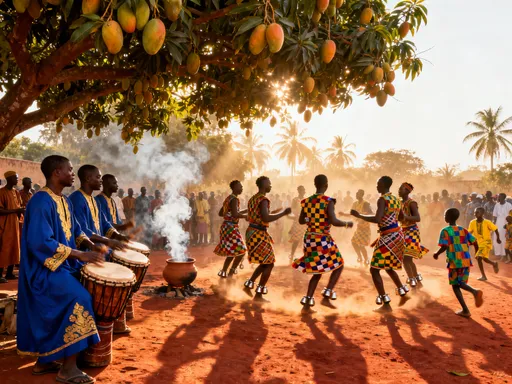
Fukuoka isn’t just about ramen and shopping—it’s alive with culture you can feel in your bones. I wandered into a neighborhood matsuri by accident and got swept into dancing, drumming, and a sense of belonging I never expected. From ancient shrine rituals to modern street art fusion, Fukuoka’s cultural heartbeat is real, raw, and totally shareable. This is travel that sticks with you—not because it’s perfect, but because it’s human. Unlike polished tourist experiences elsewhere, what unfolds in Fukuoka feels unscripted, deeply rooted, and generously shared. It’s a city where tradition doesn’t perform for visitors—it simply lives, breathes, and invites you in.
The Pulse of Fukuoka: Where Tradition Meets Everyday Life
Fukuoka pulses with a rhythm all its own—a blend of coastal energy, urban convenience, and centuries-old customs that thrive beyond museum walls. As the largest city on Kyushu Island, it serves as both a gateway and a guardian of regional culture. Unlike Japan’s more formal metropolises, Fukuoka exudes a relaxed warmth, where locals greet strangers with a smile and neighborhood festivals feel like family gatherings. This accessibility allows travelers to engage with tradition not as distant observers but as welcomed participants. Seasonal changes mark the city’s calendar with festivals, food shifts, and communal rituals that reflect a deep respect for nature and heritage.
What sets Fukuoka apart is how seamlessly cultural expression integrates into daily life. A morning market isn’t just a place to buy fish—it’s a stage for banter between vendors, a classroom in regional ingredients, and a testament to sustainable practices passed down through generations. Similarly, public spaces double as ceremonial grounds during festivals, where streets once used for commuting transform into sacred pathways for portable shrines and drum processions. This fluidity between the ordinary and the ceremonial makes cultural immersion effortless. You don’t need to seek out authenticity in Fukuoka—it finds you, whether you’re sipping tea at a quiet temple garden or stumbling upon a group of elders practicing festival chants in a local park.
The city’s geographic position has historically made it a cultural crossroads, with influences from Korea, China, and other parts of Japan flowing through its ports for centuries. Yet, rather than diluting local identity, this exchange has enriched it. Fukuoka residents take pride in their distinct dialect, culinary specialties, and craft traditions, preserving them even as the city modernizes. For the mindful traveler, this means opportunities to witness living history—not frozen in time, but evolving with care and continuity. The true magic lies not in grand spectacles alone, but in the small, everyday acts of cultural stewardship that keep the city’s soul vibrant.
Hakata Gion Yamakasa: More Than Just a Festival—It’s a Legacy
No event captures Fukuoka’s spirit quite like the Hakata Gion Yamakasa, a festival with roots stretching back over 700 years. Held annually from July 1 to 15, it began as a religious purification ritual during a plague and has since evolved into one of Japan’s most electrifying cultural displays. At its core is the ooyamagasa race—a breathtaking sprint through the streets at 4:59 a.m., where teams of men in traditional happi coats carry elaborately decorated floats weighing up to a ton. The precision, strength, and unity required are awe-inspiring, but what moves visitors most is the palpable sense of community pride that fuels the event.
The floats, known as kazariyama, are masterpieces of craftsmanship, standing over five meters tall and adorned with intricate carvings, gold leaf, and symbolic motifs like cranes and waves. Each neighborhood designs and maintains its own float, with families involved for generations. Behind the scenes, months of preparation go into training, costume-making, and fundraising. Children grow up watching their fathers and uncles rehearse, absorbing the values of discipline, cooperation, and respect for tradition. This deep-rooted commitment transforms the festival from mere celebration into a living legacy, passed hand to hand like the sacred poles of the float itself.
For visitors, attending the Yamakasa offers more than visual spectacle—it provides a rare window into collective identity. While only members of registered teams can carry the floats, spectators are far from passive. The final race on July 15 draws hundreds of thousands, with crowds lining the route, cheering, and soaking in the electric atmosphere. Designated viewing areas ensure safety and respect, while multilingual guides and signage help international guests understand the significance of each moment. Travelers are encouraged to arrive early, dress modestly, and observe quietly during rituals, recognizing that they are guests in a deeply meaningful tradition. Participating as a respectful observer becomes its own form of connection—one that lingers long after the last drumbeat fades.
Shrine Culture Beyond Sightseeing: Experiencing Rituals Firsthand
In Fukuoka, shrines are not relics of the past but active centers of spiritual and social life. Tocho-ji Temple, home to Japan’s largest wooden Buddha, welcomes visitors with a serene courtyard where incense curls upward like whispered prayers. Sumiyoshi Shrine, nestled near the waterfront, hosts monthly ceremonies that draw families offering thanks for health, safe travel, or new beginnings. These spaces invite quiet reflection, but they also open doors to participation. Travelers who take time to learn basic etiquette can move beyond observation and engage in meaningful ways, creating moments of personal resonance amidst ancient customs.
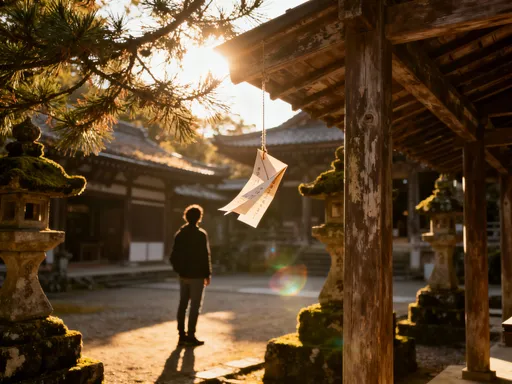
One of the most accessible entry points is the practice of temizu, the hand-purification ritual performed before entering a shrine. Using a ladle at the chōzuya fountain, visitors rinse their left hand, right hand, and mouth (without swallowing), symbolizing the cleansing of body and spirit. This simple act, when done with mindfulness, shifts the tone of a visit from tourism to reverence. Similarly, writing an ema—a wooden prayer plaque—is a gentle way to express hopes or gratitude. Whether wishing for family well-being or reflecting on a personal journey, hanging the plaque at the shrine feels like leaving a piece of your heart in a sacred space.
Timing a visit to coincide with a local ceremony can deepen the experience even further. Early morning hours often reveal priests performing sutra readings or seasonal rites, while weekends may feature wedding processions or children’s coming-of-age blessings. These events are not staged for tourists; they unfold naturally, offering authentic glimpses into how faith weaves through daily life. Visitors are expected to remain respectful—keeping voices low, refraining from flash photography, and stepping aside during processions—but they are rarely excluded. In fact, many locals appreciate when guests show genuine interest, sometimes offering quiet explanations or smiles of welcome. Such exchanges, though wordless, become some of the most memorable aspects of a trip.
Crafting Tradition: Hands-On With Hakata Dolls and Textiles
Fukuoka’s artistic heritage comes alive in its traditional crafts, particularly Hakata ningyo (Hakata dolls) and Hakata-ori textiles. These aren’t souvenirs mass-produced for export—they are expressions of identity, each piece carrying stories, symbolism, and generations of skill. Travelers fortunate enough to participate in a workshop discover that making these items is less about crafting an object and more about connecting with a lineage of artisans who value patience, precision, and purpose. The experience transforms a simple keepsake into a meaningful artifact of personal journey and cultural appreciation.
Hakata ningyo, delicate clay dolls often depicting geisha, kabuki actors, or historical figures, are renowned for their lifelike faces and intricate kimono patterns. The process begins with molding the head from special clay, then air-drying it for days before painting the features with painstaking detail. Workshops in the Tenjin and Hakata districts offer guided sessions where visitors shape, paint, and dress miniature dolls under the supervision of master craftsmen. While completing a full doll takes weeks, even a partial experience—such as painting a pre-formed face—reveals the artistry behind each expression. The colors used are not arbitrary; red symbolizes protection, gold denotes prosperity, and specific kimono motifs reflect seasons or social roles, turning each doll into a coded narrative.
Equally profound is the tradition of Hakata-ori, a brocade weaving technique with origins in the 17th century. Known for its durability and elegant geometric patterns, this fabric was historically used for obi sashes but now appears in modern accessories like scarves and pouches. Weaving demonstrations at cultural centers allow guests to try basic loom techniques, feeling the tension of silk threads and understanding how small pattern shifts create complex designs. More advanced workshops, often booked in advance, let participants weave a small piece to take home. These hands-on experiences do more than teach a skill—they foster appreciation for the quiet dedication behind every thread, every stitch, every decision made by artisans who see their work as service to tradition rather than mere production.
Food as Culture: From Morning Markets to Shared Meals
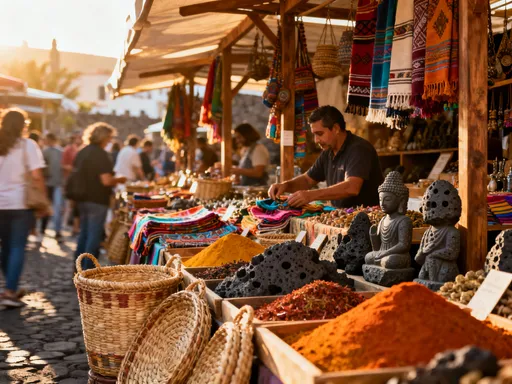
In Fukuoka, food is never just fuel—it’s memory, identity, and connection served on a plate. The Nakasu Market, buzzing before dawn, is where chefs and housewives alike select glistening mackerel, plump oysters, and seasonal vegetables, exchanging quick greetings with vendors who’ve known them for decades. This rhythm of daily life centers around freshness, seasonality, and respect for ingredients. For visitors, wandering the market isn’t just shopping—it’s education. Vendors often explain preparation methods, recommend pairings, or share stories behind regional specialties, turning a simple purchase into a cultural exchange.
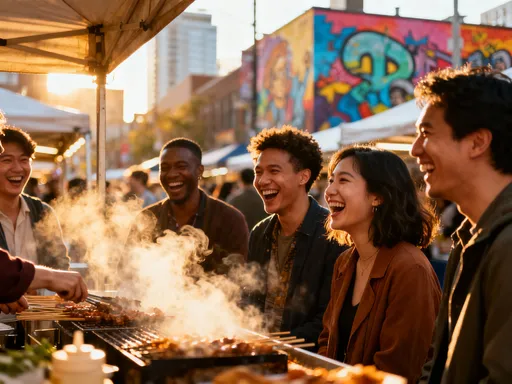
Nowhere is this more evident than at the yatai—open-air food stalls that line the Nakagawa River at night. These humble carts, run by families for generations, serve some of the city’s most beloved dishes: steaming bowls of tonkotsu ramen with creamy pork broth, grilled motsu (beef or pork offal) seasoned with garlic and miso, and skewers of chicken tsukune glazed with sweet-savory tare sauce. Seated on low stools, travelers share counter space with salarymen, students, and neighbors, breaking bread—or noodles—in a setting that feels intimate despite its informality. The act of sharing a meal here transcends language; a nod, a smile, or passing the mustard becomes a gesture of belonging.
Engaging with food culture also means understanding unspoken rules. It’s customary to order a drink first, signal the vendor when finished, and never leave without saying gochisousama deshita (“thank you for the meal”). Tipping is not expected, but appreciation is shown through attentiveness and respect. Many yatai have limited seating, so patience is valued. For those seeking deeper immersion, cooking classes offer insight into how dishes like mizutaki (chicken hot pot) or mentaiko (spicy cod roe) are prepared with care and seasonal awareness. These experiences reveal that in Fukuoka, eating is not a solitary act—it’s a way of sustaining relationships, honoring ancestors, and celebrating the present moment.
Urban Culture & Seasonal Rhythms: When Modern Meets Traditional
Fukuoka’s ability to honor the past while embracing the present is perhaps its most compelling trait. This balance shines brightest during seasonal transitions, when centuries-old customs intertwine with contemporary creativity. In spring, Maizuru Park transforms into a sea of pale pink as cherry blossoms bloom above Fukuoka Castle ruins. Locals gather for hanami picnics not just to admire the flowers, but to reflect on impermanence and renewal—a concept deeply rooted in Japanese philosophy. Yet, alongside traditional sake toasts and poetry readings, you’ll find pop-up art installations, live acoustic music, and food trucks offering modern twists on festival snacks, proving that tradition need not be static to be meaningful.
Autumn brings the Fukuoka Autumn Festival, a vibrant celebration featuring taiko drumming, dance troupes, and illuminated parades along the Tenjin shopping district. Unlike rigidly preserved events, this festival evolves each year, incorporating street performers, digital projections, and collaborations with local designers. Similarly, the Ohori Park Lantern Festival in winter blends hundreds of paper lanterns with ambient light displays, creating a dreamlike atmosphere where old and new coexist in harmony. These events are not attempts to modernize tradition out of relevance—they are expressions of how Fukuoka residents choose to live their culture today, with innovation guided by respect.
Public spaces throughout the city reflect this ethos. Murals inspired by folk tales appear beside subway stations, while fashion boutiques in Canal City integrate traditional textile patterns into modern apparel. Even urban planning considers cultural flow—pedestrian zones are designed to accommodate festival routes, and green spaces are maintained for seasonal gatherings. For travelers, this means encountering culture not only in designated venues but in the fabric of the city itself. A walk through the streets becomes a layered experience, where every season, every neighborhood, and every design choice tells a story of continuity and change.
Traveler’s Guide: Making the Most of Cultural Moments
Planning a culturally rich visit to Fukuoka begins with timing. The best months to experience festivals are July for the Hakata Gion Yamakasa and November for the Fukuoka Autumn Festival, though spring and autumn offer pleasant weather and seasonal events like cherry blossom viewings and harvest celebrations. Checking the official Fukuoka City tourism website or visiting a local tourist information center upon arrival ensures access to updated event schedules, transportation details, and any last-minute changes. Many festivals begin early in the morning or run late into the night, so adjusting your rhythm to match local life enhances both comfort and immersion.
Transportation in Fukuoka is efficient and visitor-friendly. The subway system connects major districts like Hakata, Tenjin, and Canal City, while buses serve more residential and cultural areas. For festival days, special shuttle services and temporary route adjustments are common, so allowing extra travel time is wise. Walking remains one of the best ways to discover hidden shrines, markets, and craft studios, especially in the downtown core. Renting a bicycle offers even greater flexibility, with rental stations available near train stations and parks.
Respectful behavior is essential to meaningful cultural engagement. Dress modestly when visiting shrines or attending ceremonies, remove shoes when required, and avoid loud conversations in sacred or residential spaces. When photographing people, especially during rituals, always ask permission first. Learning a few basic Japanese phrases—such as sumimasen (excuse me), arigatou gozaimasu (thank you), and o-jama shimasu (excuse my intrusion)—goes a long way in building goodwill. Most importantly, approach each experience with humility and openness. Let go of rigid itineraries when spontaneity calls—whether it’s joining a drum circle, accepting an invitation to share tea, or simply sitting quietly in a garden to absorb the moment.
Preparation should support experience, not control it. Pack comfortable shoes for walking, a small notebook for reflections, and a reusable bag for market purchases. Consider booking craft workshops or cooking classes in advance, as spaces are limited. Yet, leave room for the unexpected. Some of the most profound memories arise from unplanned encounters—a conversation with a vendor, a child offering a festival flower, or the sudden realization that you’re no longer just visiting, but belonging, even if just for a moment.
Fukuoka’s true charm lies in its ability to let you live its culture, not just observe it. Whether caught in a drum parade or sipping tea after a shrine visit, these moments add up to something deeper than sightseeing—they become part of who you are. Travel like this doesn’t just show you a new place; it shows you a new way to connect. It reminds us that culture isn’t something to consume, but to participate in, to feel in your bones, and to carry forward with gratitude. In Fukuoka, every street corner, every shared meal, every beat of the festival drum whispers the same invitation: come as a visitor, leave as a friend.