You Won't Believe What I Ate in Fujairah – A Hidden Food Paradise Uncovered
Nestled along the UAE’s quieter east coast, Fujairah is often overlooked—but its food scene? Absolutely mind-blowing. I went in expecting dates and grilled meats, but left stunned by coastal flavors, mountain spices, and dishes I’d never even heard of. From seaside shacks serving fresh hammour to family-run spots dishing out Omani-influenced curries, this is specialty dining in its most authentic form. Discover how one underrated emirate is redefining Arabian cuisine. Far from the skyscrapers and luxury malls of Dubai and Abu Dhabi, Fujairah offers a sensory journey rooted in tradition, geography, and genuine hospitality. Its culinary identity isn’t shaped by international trends but by centuries-old practices, fresh local ingredients, and a deep respect for shared meals. This is not just food—it’s culture on a plate.
The Unexpected Culinary Identity of Fujairah
Fujairah’s location on the eastern flank of the UAE, nestled between the rugged Hajar Mountains and the shimmering Gulf of Oman, sets it apart in more ways than one. While other emirates have embraced rapid modernization and global culinary influences, Fujairah has quietly preserved a distinct food culture shaped by its isolation and heritage. This emirate shares a border with Oman, and that cultural proximity is deeply reflected in its cuisine. Unlike the cosmopolitan fusion found in urban centers, Fujairah’s food is grounded in tradition—slow-cooked, aromatic, and deeply nourishing. Meals are not rushed; they are rituals, often beginning with the scent of cardamom-laced coffee wafting through a home or gathering space.
The local diet draws from three key influences: Emirati, Omani, and South Asian, particularly from communities with roots in Baluchistan and Gujarat. These culinary threads weave together in dishes that balance bold spices with subtle sweetness, heat with cooling herbs. What makes Fujairah’s cuisine especially unique is its reliance on hyper-local sourcing. Fishermen bring in the day’s catch by sunrise, farmers harvest mountain greens, and home cooks use wood-fired ovens passed down through generations. There’s no need for imported ingredients when the region provides so much in abundance. This self-sufficiency has preserved authenticity in a way that’s increasingly rare in the modern Gulf.
Another defining aspect is the absence of pretense. Restaurants don’t compete for Michelin stars or Instagram fame. Instead, they focus on flavor, consistency, and hospitality. A meal in Fujairah often begins with a warm greeting, followed by an insistence that you eat more—“Just one more bite,” is a common refrain. This cultural emphasis on generosity is not performative; it’s woven into daily life. Whether in a seaside village or a mountain hamlet, food is a language of care, and Fujairah speaks it fluently.
Seafood Like Nowhere Else in the UAE
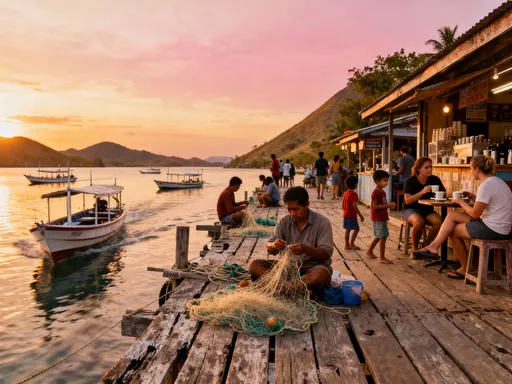
If Fujairah has a culinary crown jewel, it’s its seafood. The emirate’s 120-kilometer coastline along the Gulf of Oman is a haven for marine biodiversity, supporting a fishing tradition that dates back centuries. Local fishermen still use traditional dhows—wooden boats powered by wind and oars—to cast their nets, preserving methods that prioritize sustainability over speed. The result? Fish that is not only fresher but also more flavorful than anything found in inland markets. Hammour, a type of grouper, is the star of the sea. Its firm, buttery flesh absorbs spices beautifully, making it ideal for grilling, frying, or simmering in curries.
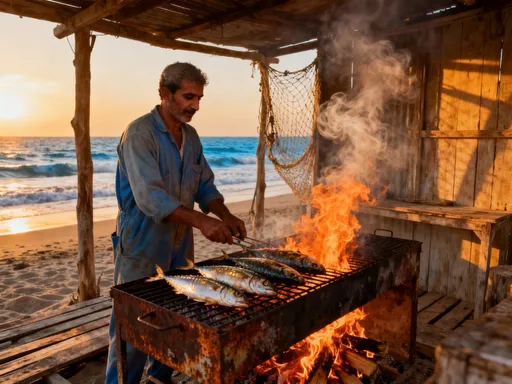
Visitors can witness the seafood journey firsthand by visiting the Fujairah Fish Market early in the morning. By 6 a.m., the air is thick with the briny scent of the ocean as vendors display their catch on ice: kingfish with silvery scales, plump shrimp still glistening, and whole hammour laid out like treasures. Many restaurants nearby allow diners to select their fish directly from the market, ensuring complete transparency from sea to plate. One popular spot, Al Hayat Restaurant near Snoopy Island, is known for its simple yet exquisite preparation—whole fish grilled over charcoal, seasoned only with black lime (loomi) and a sprinkle of sea salt. The smoky char enhances the natural sweetness of the flesh, creating a dish that’s both humble and unforgettable.
But Fujairah’s seafood culture goes beyond hammour. Dibba, a coastal town in the northern part of the emirate, is famous for its spiced crab dishes and seafood biryanis, which blend Omani and Indian influences. Here, crab is slow-cooked in a rich sauce of tomatoes, garlic, and cumin, then served with saffron rice. Another standout is zubaidi, a local silver fish often fried whole and served with a side of tangy tamarind chutney. These dishes are rarely found in other parts of the UAE, making Fujairah a true destination for adventurous eaters seeking authentic coastal flavors.
Mountain Villages and Forgotten Flavors
While the coast offers a feast from the sea, the Hajar Mountains reveal a different side of Fujairah’s culinary soul. In villages like Masafi, Bidiya, and Al Qawr, food is still prepared the way it was generations ago—over open fires, in clay ovens, and with ingredients foraged from the surrounding terrain. These communities live in harmony with the land, cultivating date palms, raising goats, and harvesting wild herbs that grow in rocky crevices. The result is a cuisine that is earthy, aromatic, and deeply connected to the seasons.
One of the most distinctive mountain dishes is harees saj, a slow-cooked porridge made from cracked wheat and tender goat meat. The mixture is simmered overnight, then topped with crispy fried onions, a drizzle of ghee, and a dusting of cardamom. It’s rich, comforting, and often served during Ramadan or family gatherings. Another specialty is madrouba, a spicier cousin of harees, where the wheat is cooked with turmeric, black pepper, and coriander, giving it a golden hue and a warming kick. These dishes are not just meals; they are acts of preservation, passed down orally from mother to daughter.
Local honey, harvested from mountain beehives, is another hidden treasure. Produced from wild thyme, sidr, and acacia flowers, it has a complex flavor profile—floral, slightly smoky, and never overly sweet. Many families keep their own hives and offer jars of honey to guests as a gesture of goodwill. In Masafi, visitors can tour small farms and even taste honey straight from the comb. These experiences are not commercialized; they are intimate, personal, and rooted in tradition. For the modern traveler, they offer a rare glimpse into a way of life that values patience, craftsmanship, and connection to the natural world.
Where Tradition Meets Innovation: Modern Twists on Classic Dishes
While Fujairah’s culinary heart beats strongest in its traditional kitchens, a quiet revolution is unfolding in its boutique hotels and coastal resorts. A new generation of Emirati chefs, many trained abroad but deeply proud of their heritage, are reimagining classic dishes with refined techniques and artistic presentation. This is not fusion for the sake of trendiness—it’s evolution with respect. At the Al Badiyah Resort, for example, machboos, the national dish of spiced rice with meat, is elevated with saffron foam and edible gold leaf, served on hand-painted ceramic platters. The flavors remain true to tradition, but the experience feels new and celebratory.
Desserts, too, are getting a modern makeover. Date caramel, a staple in Emirati homes, is now presented as a delicate sauce drizzled over almond crumble or layered into miniature tarts. Some chefs are experimenting with date molasses in chocolate truffles or pairing it with sea salt for a gourmet twist. At the Fujairah Rotana, the pastry team has created a “Date Symphony” platter featuring seven interpretations of the humble date—from date ice cream to date and tahini macarons. These innovations are not meant to replace tradition but to introduce it to younger diners and international visitors who might otherwise overlook local cuisine.
Even street food is being redefined. Sambusak, the savory pastry filled with spiced meat or cheese, is now available in gourmet versions with truffle oil or goat cheese and za’atar. Karak tea, the strong, sweet milky tea beloved across the Gulf, is being served in artisanal blends with saffron or rosewater. These updates don’t erase authenticity; they expand its reach. The key is balance—honoring the roots while inviting curiosity. In doing so, Fujairah is proving that tradition and innovation can coexist, each enriching the other.
How to Navigate Fujairah’s Dining Scene: A Practical Guide
Exploring Fujairah’s food culture doesn’t require a luxury travel budget or a reservation at a five-star restaurant. In fact, some of the best meals are found in unmarked storefronts, roadside stalls, and family homes. The key is knowing when and where to look. For seafood lovers, the Fujairah Fish Market is the perfect starting point. Arrive between 6:00 and 8:00 a.m. to see the day’s catch and choose your fish. Many nearby restaurants will cook it to order for a small fee. Al Hayat, Al Reef, and Al Fanar are reliable choices, offering both traditional and slightly modernized preparations.
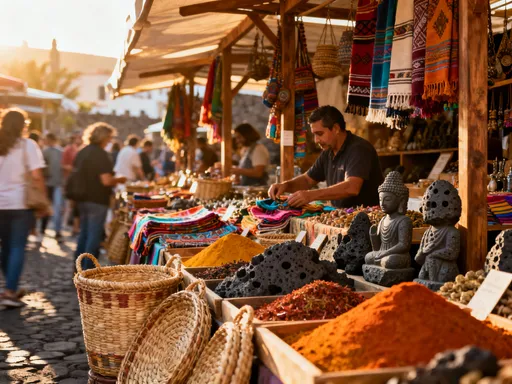
For a deeper dive into local flavors, visit the Dibba Souq, where spice vendors sell hand-blended mixes of baharat, hawaij, and kabsa spices. These blends are used in everything from stews to rice dishes and make excellent souvenirs. Look for small family-run eateries tucked behind the market—they often serve the most authentic meals. One hidden gem is Al Noor Restaurant, known for its Omani-style fish curry and freshly baked regag bread, a thin, layered flatbread cooked on a griddle.
Timing matters. Lunch is the main meal in Fujairah, typically served between 1:00 and 3:00 p.m. Many smaller restaurants close in the evening, so plan accordingly. If you’re looking for a late-night bite, head to a sheesha café in Fujairah City, where karak tea, sambusak, and fried cheese rolls are served until midnight. Transportation is straightforward—renting a car offers the most flexibility, especially for reaching mountain villages. Taxis are available but less frequent outside the city center. Always carry cash, as many small eateries do not accept cards. And remember: pacing yourself is part of the experience. A full day of eating might include breakfast at a roadside stall, a late-morning coffee at a majlis, lunch by the sea, and a light evening snack—each moment as important as the last.
Beyond the Plate: The Culture of Shared Meals in Fujairah
In Fujairah, food is never just fuel. It is a language of generosity, a bridge between strangers, and a cornerstone of community life. Meals are almost always communal, served on large circular trays placed on the floor, with diners sitting cross-legged around them. This setup encourages conversation, sharing, and a sense of equality—everyone eats from the same dish, often using their right hand, as is traditional. To decline a second helping can be seen as a slight, not because the host is pushy, but because offering more is an expression of care.
The majlis, a traditional gathering space, plays a central role in this culture. Whether in a home or a public building, the majlis is where guests are welcomed, stories are shared, and decisions are made. Coffee is always served first—Arabic coffee, or gahwa, brewed with cardamom and poured from a dallah (a traditional coffee pot) into small cups. Refusing coffee is considered impolite, even if you don’t drink it all. The act of serving is as important as the drink itself. This ritual extends to meals, where the host ensures every guest is well-fed, often serving others before themselves.
Food also marks important moments. During Ramadan, families prepare elaborate iftar spreads with dates, laban, samosas, and hearty stews. Eid celebrations feature lamb dishes, sweet rice, and trays of baklava. Even everyday meals carry meaning—breaking bread together strengthens family bonds and welcomes outsiders into the fold. For visitors, understanding these customs enhances the dining experience. It’s not just about tasting new flavors; it’s about participating in a culture that values connection, respect, and generosity above all.
Why Fujairah’s Food Story Matters—And Where It’s Headed
Fujairah’s culinary scene is more than a collection of recipes and restaurants—it’s a living archive of Emirati identity. At a time when globalized food trends dominate urban menus, Fujairah stands as a quiet guardian of authenticity. Its cuisine is not performed for tourists; it is lived, shared, and deeply rooted in place. This authenticity is worth protecting, not just for cultural preservation but for the future of sustainable tourism in the UAE. When travelers seek out local food experiences, they support small businesses, reduce reliance on imported goods, and foster mutual understanding.
There is growing recognition of this value. Local initiatives are beginning to document traditional recipes, train young chefs in heritage cooking, and promote agritourism in mountain villages. Some schools now include Emirati cuisine in their home economics programs, ensuring that the next generation grows up knowing how to prepare harees, machboos, and regag. These efforts are small but significant steps toward long-term preservation.
Looking ahead, Fujairah has the potential to become a destination for culinary travelers—those who seek not just luxury, but meaning. Imagine guided food trails through the Hajar Mountains, cooking classes in family homes, or overnight stays in eco-lodges that serve only locally sourced meals. These experiences would not only showcase the emirate’s flavors but also its values: patience, hospitality, and respect for nature. In a world where fast food and fast living dominate, Fujairah offers a different rhythm—one measured in slow simmers, shared trays, and the warmth of a welcome cup of gahwa.
So the next time you think of the UAE, don’t just picture skyscrapers and shopping malls. Think of a quiet coast, a mountain village, a family gathered around a tray of steaming machboos. Think of a place where food is not just eaten, but honored. Fujairah may be the smallest emirate, but its culinary voice is growing louder—one authentic meal at a time.